A land of art, stone, and light, this corner of the Gard region captivates with its sculpted landscapes, its millennia-old heritage, and its free spirit. Between Uzès and the Pont du Gard, Cocteau filmed, Gide meditated—today, contemporary art and the good life meet here.
A Land of Art, Stone, and LightSome lands carry within them something indefinable — a quality of light, a density of history, a way the landscape gently impresses itself upon the eye.
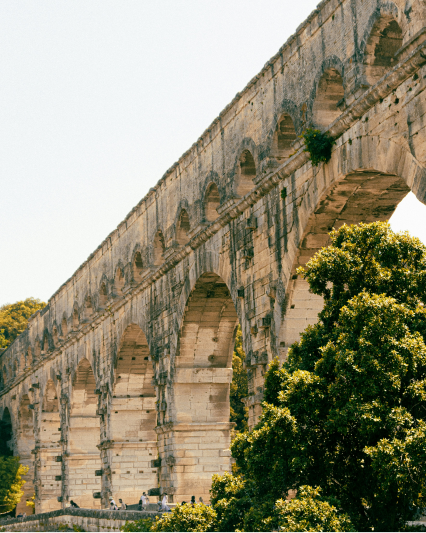
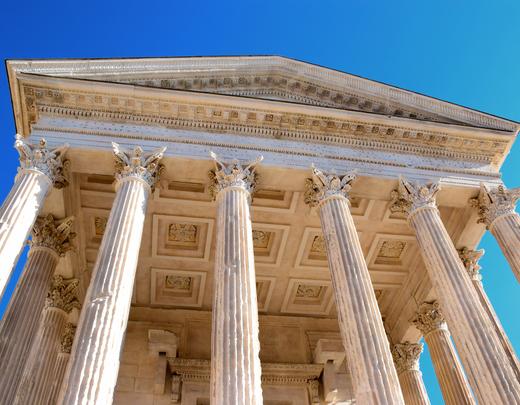
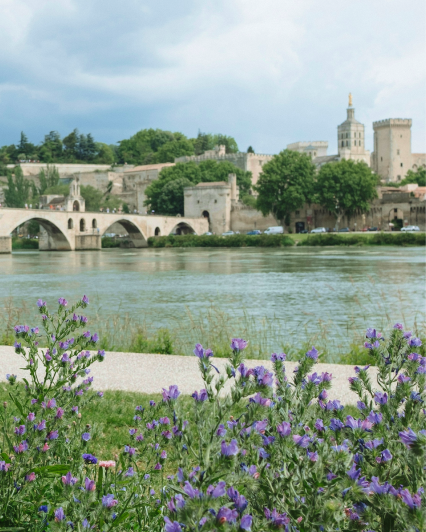
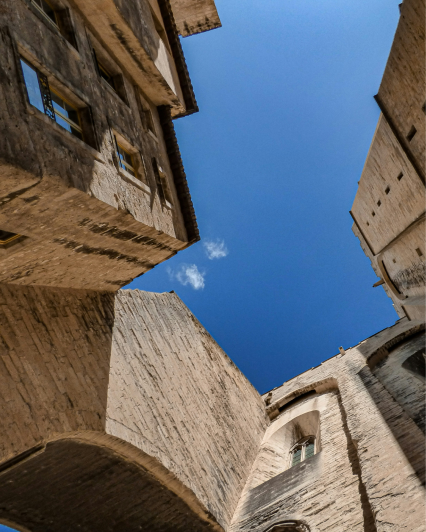
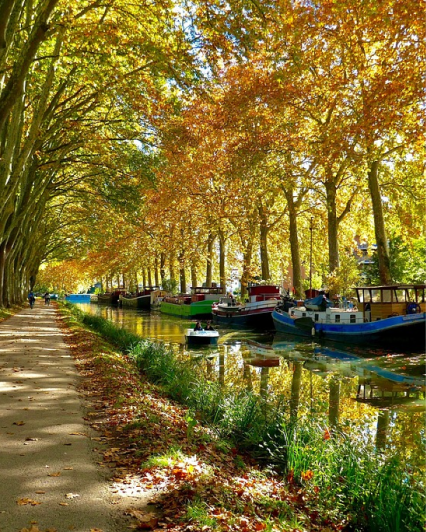
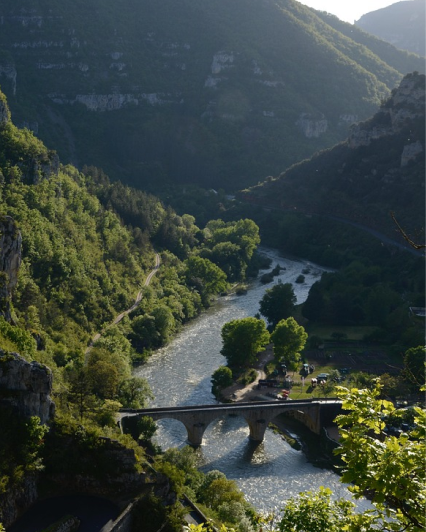
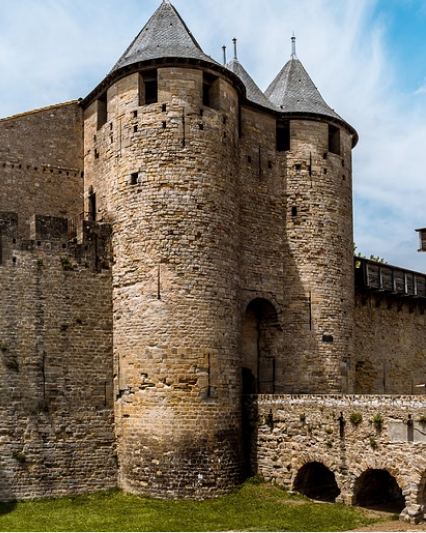
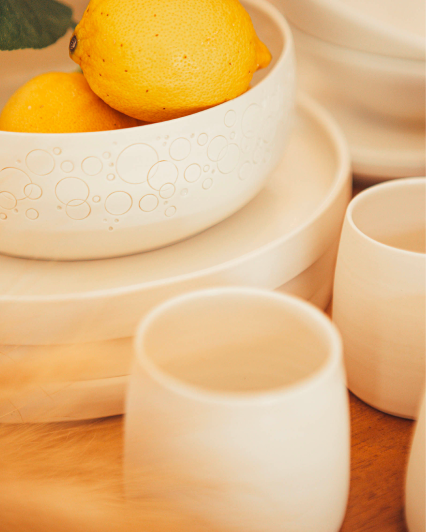
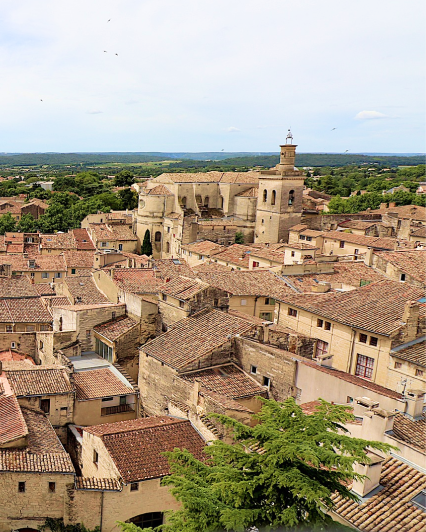
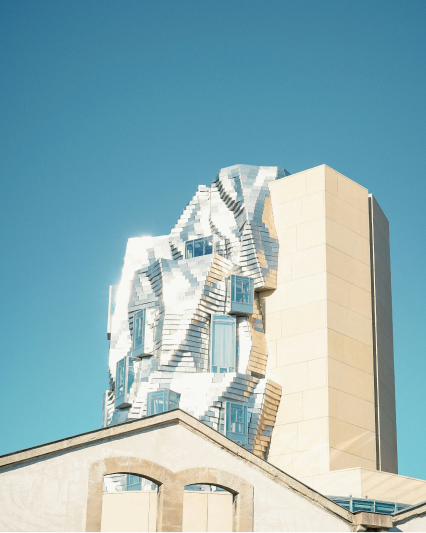
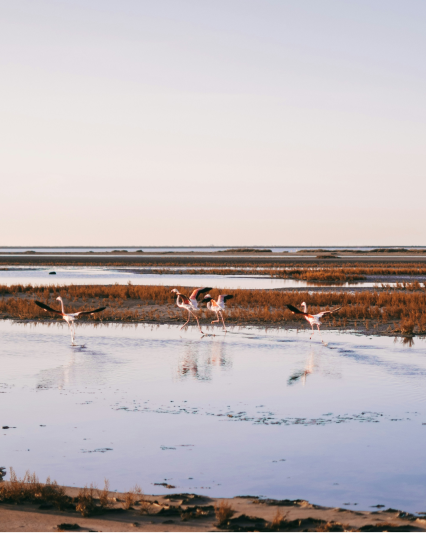
The Gard region is part of this. And Panéry, nestled between vineyards and garrigue just minutes from Uzès, is one of its most discreet and intense convergence points. This corner of Languedoc has always attracted discerning minds. Jean Cocteau filmed there, André Gide meditated there, and painters sought out the particular light that makes the limestone vibrate differently depending on the time of day. Today, contemporary art has taken over without breaking the thread – it dialogues with the landscapes rather than imposing itself on them. It is precisely in this spirit that the Domaine de Panéry was conceived: a vibrant place, rooted in an exceptional territory, open to a heritage that continues to unfold. Panéry, at the heart of seven UNESCO World Heritage sites. Few estates can boast such a concentration of heritage within such a restricted radius. From Panéry, seven UNESCO World Heritage sites are accessible in less than an hour and a half – an argument that few destinations in France can match. The Pont du Gard — 18 minutes A masterpiece of Roman engineering, the Pont du Gard remains the best-preserved ancient aqueduct in the Western world. Three levels of superimposed arches, 50 meters high, built without mortar in the 1st century AD. A technical feat that has not aged a bit in two millennia. The golden light of late afternoon on the limestone alone is worth the trip. Uzès — 12 minutes. The first ducal city of France, Uzès is a rare gem – one that has managed to remain itself. Its medieval streets, its Fenestrelle tower, unique in France for its cylindrical shape, and its Saturday morning markets are among the most authentic in the region. André Gide was born there. The city continues to attract artists, ceramists, and art lovers as it always has. Avignon and its Popes' Palace — 40 minutes. The largest medieval Gothic construction in the world is located forty minutes from Panéry. The Popes' Palace in Avignon, a pontifical residence in the 14th century, impresses as much by its size as by the evocative power of its halls. The famous Pont Saint-Bénézet – the "Pont d'Avignon" of the nursery rhyme – partially spans the Rhône a few steps away. The entire city, enclosed by its ramparts, is classified with its gardens and historic ensemble. The Maison Carrée of Nîmes — 30 minutes A Roman temple from the 1st century BC, the Maison Carrée is the best-preserved ancient building in the world – Thomas Jefferson had a molding made to inspire the architecture of the Virginia Capitol. Nîmes, "the French Rome," concentrates the temple, the still-active arenas, and the Jardin de la Fontaine within a pedestrian perimeter. A condensed dose of Antiquity thirty minutes from the estate. The Canal du Midi — 1h15 Classified in 1996, the Canal du Midi connects Toulouse to the Mediterranean over 240 kilometers. A 17th-century hydraulic masterpiece designed by Pierre-Paul Riquet, it runs under a double avenue of hundred-year-old plane trees that give it a timeless atmosphere. To be explored by bike, barge, or simply on foot along the banks. The Causses and the Cévennes — 1h Listed for its cultural landscape of Mediterranean agro-pastoralism, this territory of limestone plateaus, deep gorges, and steep valleys constitutes the wild hinterland of the Gard. The Millau Viaduct guards its northern access; the gorges of the Tarn, Jonte, and Vis are its geological jewels. A counterpoint of verticality and silence to the open landscapes of the garrigue. The Medieval City of Carcassonne — 1h30 Double fortified enclosure, 52 towers, three kilometers of ramparts – Carcassonne is the best-preserved medieval citadel in Europe. Viollet-le-Duc oversaw its restoration in the 19th century. The illuminated city at night takes on an almost unreal dimension. A must-see detour for a stay of several days from Panéry. The territories that complete the picture. Beyond the UNESCO sites, the territory surrounding Panéry holds destinations that are equally worthy of attention – less frequented, often more intense. Saint-Quentin-la-Poterie — 10 minutes A village of ceramists ten minutes from the estate, Saint-Quentin-la-Poterie is home to some thirty artisan pottery workshops. The Museum of Mediterranean Pottery traces four millennia of clay craftsmanship. A village to explore on foot, from door to door, to understand how a territory can make a material an identity. The Cèze Valley — 20 minutes. The Cèze is the secret river of the Gard. It carves its meanders between limestone cliffs, perched villages, and natural turquoise pools, away from the tourist flows of its more famous neighbors. Cornillon, Montclus, Saint-André-de-Roquepertuis: names that sound like promises. One of the most beautiful river trips in Languedoc, ideal by bike or in a convertible car. The Camargue — 1h. Rhône delta, a transitional territory where the land is not quite land and the sea not quite sea. White horses, pink flamingos, and iridescent ponds at sunset create a landscape of absolute uniqueness. Saintes-Maries-de-la-Mer is its symbolic convergence point – a gypsy pilgrimage site every May, a seaside town outside the codes of classic coastal resorts. Arles — 45 minutes Arles is an open-air museum city. Its Roman arenas, ancient theater, and underground cryptoporticos stand alongside the LUMA Foundation – one of Europe's most ambitious architectural and cultural projects, designed by Frank Gehry. Van Gogh lived there and painted some of his most famous works. Every summer, the city hosts the Rencontres de la Photographie, an essential international event.